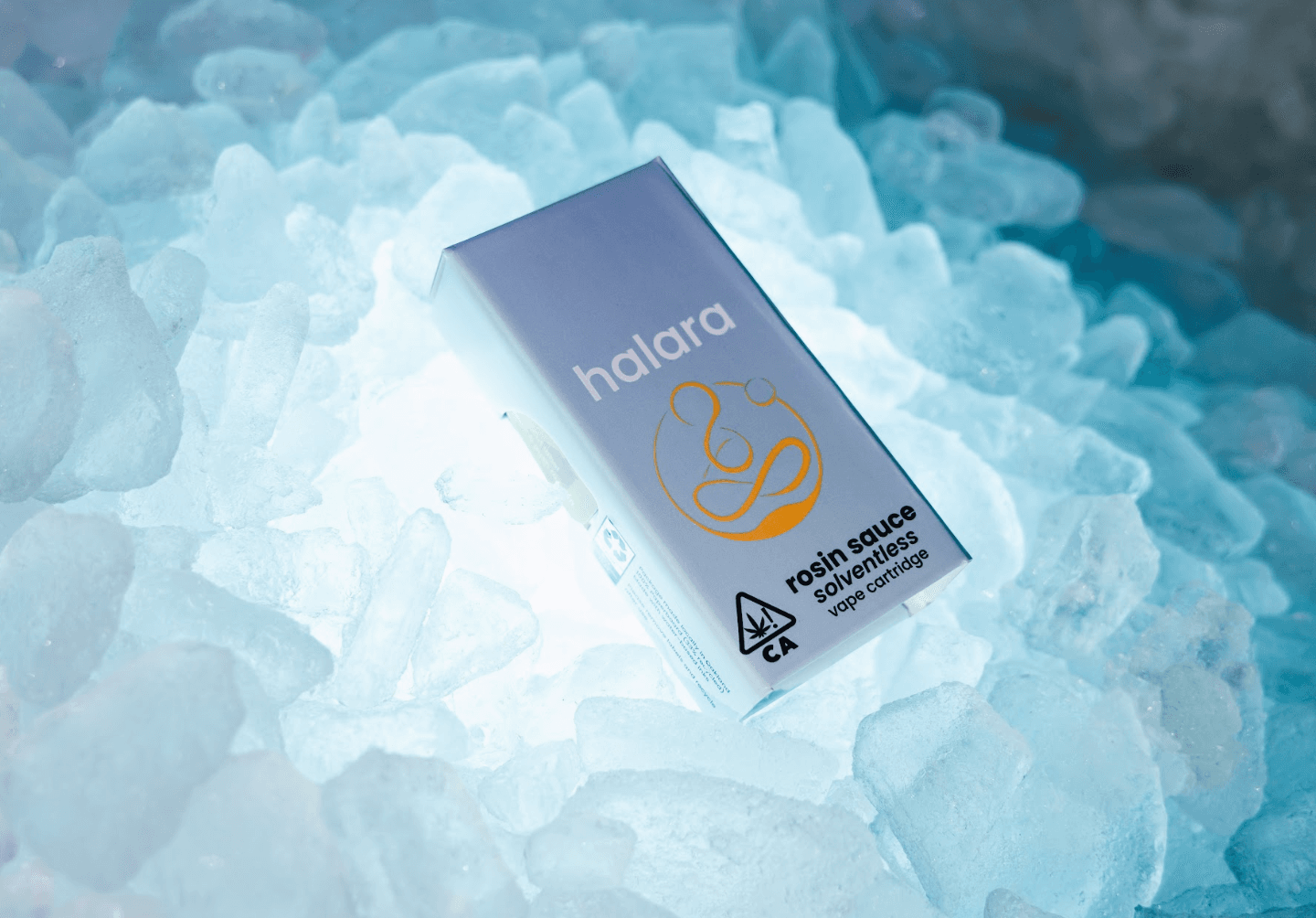
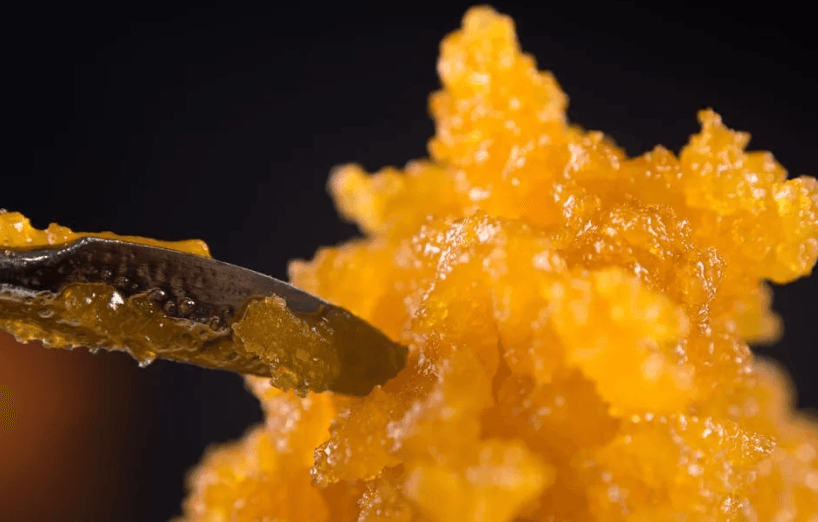
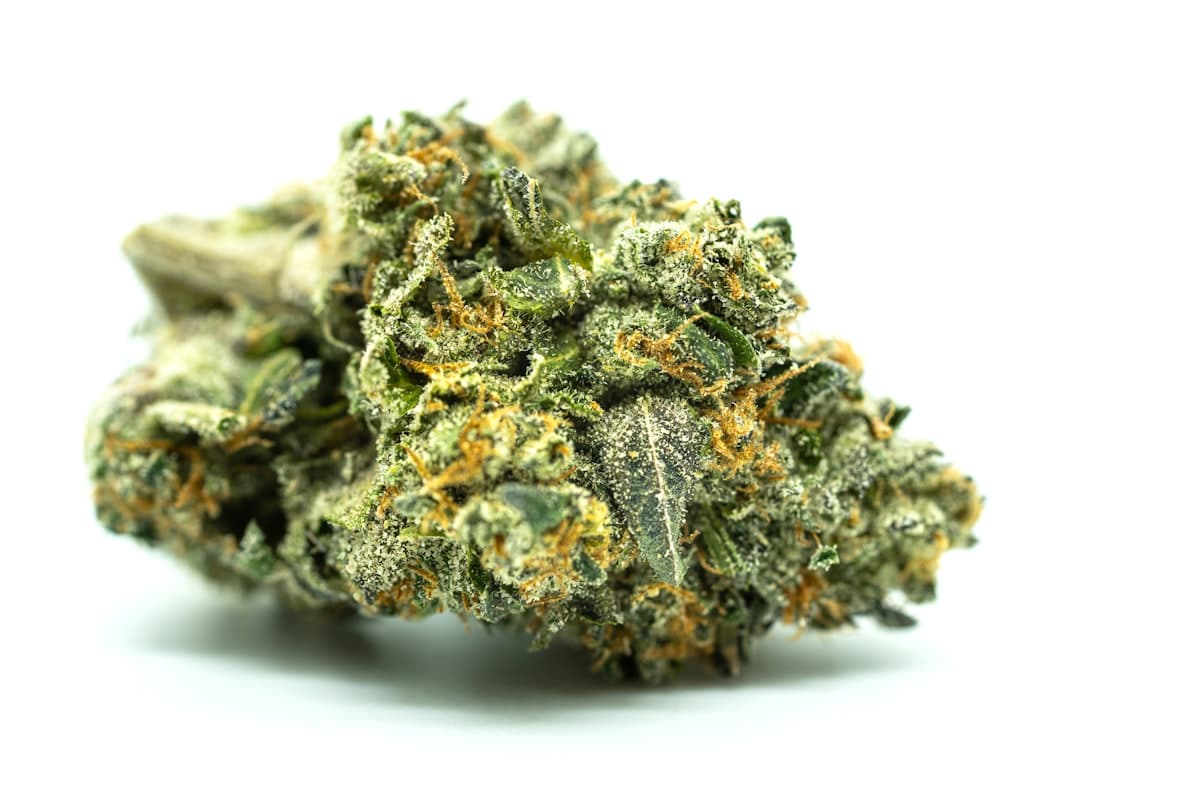
How Nick Makes a Rosin Cart (And Why It Takes Twice as Long)
Nick's Least Favorite Question
"Why don't you just make everything solventless?"
He gets this constantly. His answer is always the same: "Because not every strain deserves it, and I refuse to waste good material on a process that won't do it justice."
That's the thing about rosin that most content online glosses over. Solventless extraction isn't universally better. It's a specific tool for specific genetics, and knowing which strains to run through it is half the craft. The other half is patience.
I asked Nick to walk me through every step of how he makes a rosin cart. Same deal as the resin sauce piece, no gatekeeping, no marketing spin. Here's how it works.
Step 1: Picking the Right Strain
Not every cultivar is "wash-worthy." That's the actual industry term, and it's a real filter.
A wash-worthy strain has trichome heads that separate cleanly from the plant material during ice water extraction. Some genetics produce trichomes that are sticky, fragile, or too small to collect efficiently. You can press them into rosin, but the yield is dismal and the quality doesn't justify the cost.
Nick evaluates strains by running small test washes. A few hundred grams of fresh-frozen material through a benchtop ice water setup. "I'm looking at the wash water. How quickly do the heads separate? What's the color of the first pull? If the first wash comes back milky and golden, that strain is going into full production. If it's green and murky, I'm running it through hydrocarbon instead."
Some of his best resin sauce strains are mediocre for rosin, and vice versa. GMO washes beautifully. Certain OG cuts that produce incredible resin sauce don't yield enough clean trichomes for a viable rosin run. "That's not the plant's fault. It's just how the trichomes are structured. You work with what the genetics give you."
Step 2: Ice Water Hash (Bubble Hash)
This is where solventless starts.
The fresh-frozen cannabis goes into a vessel with ice water and gets gently agitated. The cold makes the trichome heads brittle, and the agitation snaps them off the plant material. They sink through a series of progressively finer mesh bags (bubble bags), which sort the trichomes by size.
The sweet spot is typically the 73-120 micron range. That's where you get the cleanest, most intact trichome heads with the highest concentration of cannabinoids and terpenes. Smaller microns pick up more plant contaminants. Larger microns catch stalks and debris.
Nick runs multiple washes on the same material, but each successive wash pulls less quality. "First wash is gold. Second wash is good. Third wash is acceptable. Fourth wash, I'm making edibles." The first and second washes get collected for rosin. Everything else goes elsewhere.
The goal at this stage is simple: separate the trichomes from everything that isn't a trichome. No solvents involved, just ice, water, and mesh screens. People have been making bubble hash this way for decades.
Step 3: The Freeze Dryer
This is the step that separates commercial hash from the stuff people used to make in their garages.
After washing, the collected trichomes (wet hash) need to be dried. There are two approaches: air drying and freeze drying. They produce very different results.
Air drying is the old-school method. Spread the wet hash on parchment, let it dry in a cold room for several days. It works, but the extended drying time allows terpene degradation and increases the risk of microbial contamination. Some terpenes are volatile enough that they'll evaporate at room temperature if you give them a few days.
Freeze drying uses sublimation, converting the water in the hash directly from ice to vapor without ever passing through a liquid state. The hash goes into the freeze dryer at below-freezing temperatures, and the water sublimates off over 24-48 hours. Terpene loss is minimal because everything stays cold.
"Freeze drying is the single biggest quality improvement in hash making in the last decade," Nick says. "It's not even close. The difference in the terpene panel between air-dried and freeze-dried hash from the same wash is dramatic."
Step 4: The Press
Now the dried hash goes between heated plates and gets squeezed.
Temperature, pressure, and time. Those three variables determine everything about the output. Nick runs lower temperatures than most, which means lower yields but a lighter-colored, more terpene-rich rosin. Higher heat squeezes out more product but degrades the delicate monoterpenes he's trying to preserve.
"I'd rather get 60% yield at a temperature that keeps the limonene intact than 75% yield with a rosin that tastes flat. If I wanted maximum yield, I'd run hydrocarbon."
The press produces a slab of rosin, golden to light amber if the input was clean, the freeze drying was dialed, and the temperature was right. Darker output usually means the hash had too much plant material, the press was too hot, or the starting material wasn't fresh enough.
Step 5: From Slab to Cart (The Hard Part)
This is where most of the frustration lives.
Dabbable rosin is thick. Vape carts need oil that flows. Nick's job at this stage is to make rosin behave like a cart-compatible oil without adding anything that would compromise the "solventless" claim.
His approach: gentle heat and mechanical agitation over time. The rosin's own terpene content acts as a natural thinner. By carefully warming the rosin and working it, he can achieve a consistency that wicks into ceramic coil hardware without clogging.
"It takes about twice as long as formulating a resin sauce cart. With resin sauce, the terpene-rich sauce fraction naturally has the viscosity you need. With rosin, you're coaxing it. You can't rush it or you cook off the terpenes that are doing the work."
Some batches require multiple rounds of this process. Some strains produce rosin that cooperates quickly. Others fight him for days. "Papaya, for whatever reason, is a nightmare to formulate for carts. Beautiful rosin, but the consistency is stubborn. I've spent entire weeks on single Papaya batches."
Why Nick Runs Both Lines
I asked Nick the question directly: if solventless is the premium process, why still make resin sauce at all?
His answer was more honest than I expected.
"Some strains are genuinely better through hydrocarbon extraction. The solvent pulls certain terpene fractions that heat and pressure miss. And some strains don't wash well enough to justify the cost of a rosin run. If I forced every strain through solventless, I'd be making a worse product for half of them and charging people more for it. That's not craft. That's marketing."
He also pointed out the practical reality: rosin carts have lower yields at every stage. Less hash from the wash. Less rosin from the press. Less cart-ready oil from the formulation. "You start with a thousand grams of fresh-frozen and you end up with maybe 40-50 grams of cart-ready rosin. The same thousand grams through hydrocarbon gives me 150-200 grams of resin sauce. The math explains the price difference."
Hardware and Final Fill
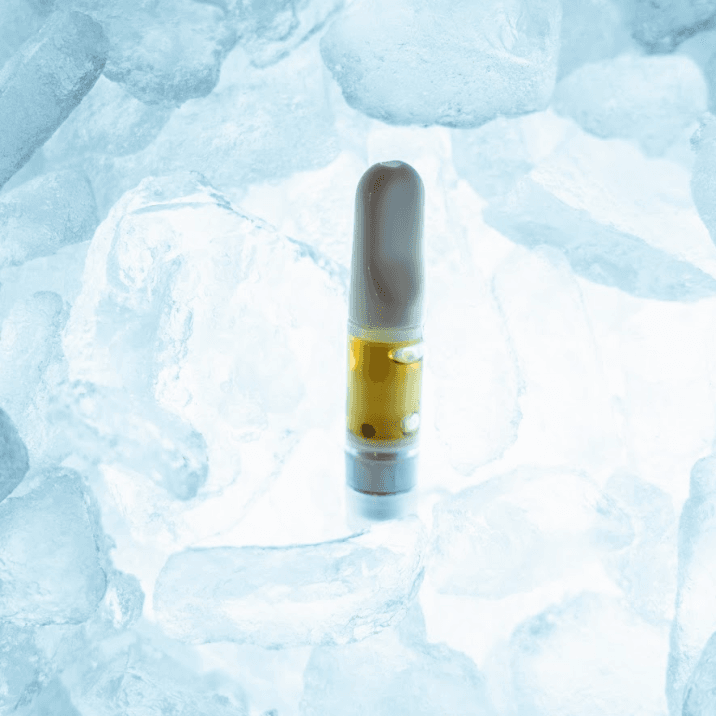
Nick fills the solventless line into ceramic coil cartridges with wider intake ports than the standard hardware. The thicker oil needs more surface area to wick properly.
"I tested eight different cartridge bodies before settling on this one. Most of them clogged within the first third of the cart. The one we use now handles the viscosity without sacrificing vapor production. It cost more per unit, but nobody's emailing us about clogged carts."
The COA gets pulled from the final filled cartridges, not from the bulk oil. What you scan on the box reflects what's in the cart you're holding.
The Love Letter
Making a rosin cart is slower, lower-yielding, more expensive, and more temperamental than making a resin sauce cart. Nick does it anyway, for the strains that deserve it, because the result is something you can't get any other way.
"When it's right, when the genetics are wash-worthy and the hash is clean and the press was dialed, a rosin cart hits different than anything else on the market. It's the closest you can get to the actual plant in a portable format. That's worth the extra work."
If you want to try it yourself, our solventless line has current strains and batch-specific lab results. For the full breakdown of rosin vs. other concentrate types, start here.
Want more cannabis intel?
Join The Dealers Diary — weekly strain spotlights, industry news, and insider access.
Subscribe Free