How Resin Sauce Carts Are Actually Made (From Harvest to Hardware)
Nick Doesn't Like Marketing
I told Nick I wanted to write a piece about how we actually make our resin sauce carts. His exact response: "Fine, but don't make it sound like an ad."
That's Nick. He studied chemical engineering, has run thousands of extraction batches, and would rather talk about crystallization parameters than brand messaging. He's the reason Halara's Resin Sauce line exists, and he has strong opinions about how most carts on the market are made. Some extractors will disagree with him. That's fine.
I should be upfront: Nick works for us, this is about our process, and you should take it accordingly. This isn't the only way to make a resin sauce cart. It's how we do it, and why.
It Starts Before Extraction
The single biggest factor in how a cart tastes isn't the extraction method. It's the input material.
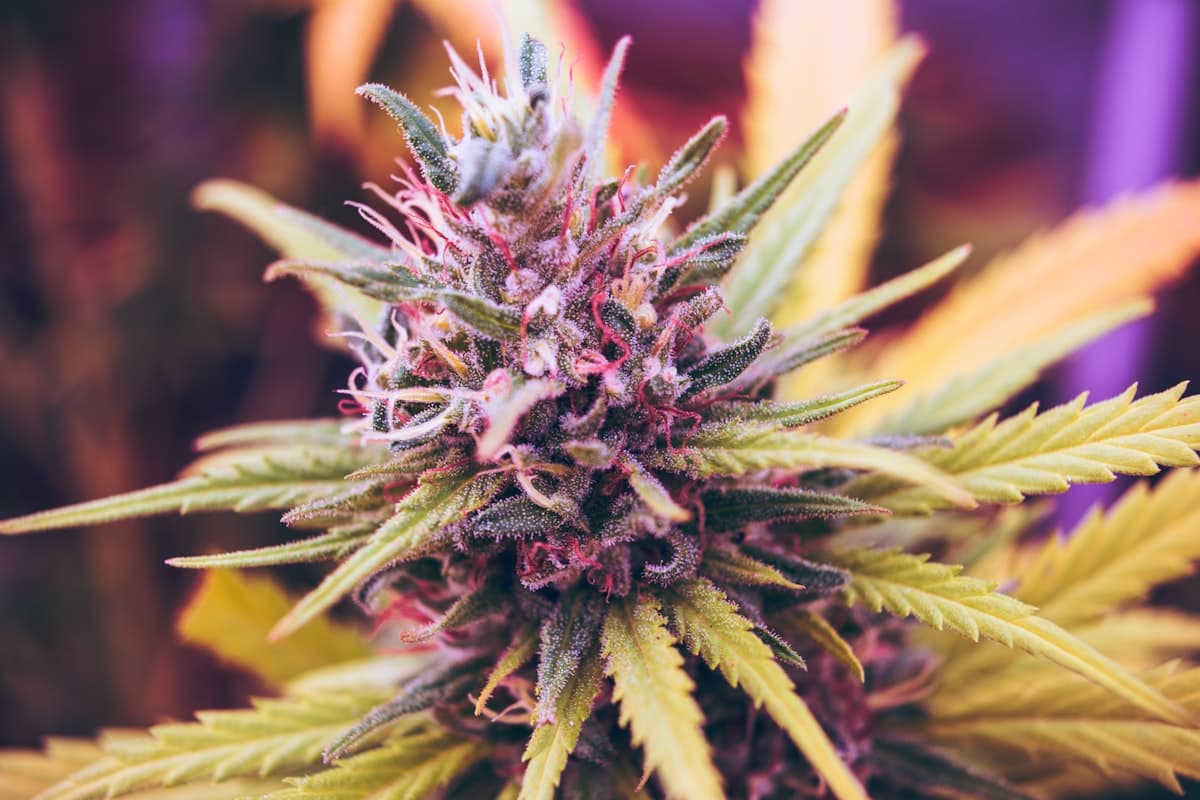
We run fresh-frozen whole plant. That means the cannabis goes from living plant to a -40°F (-40°C) freezer within hours of harvest — not days, hours. The reason is terpene preservation. During traditional drying and curing, a plant can lose upward of 55% of its terpene content. The volatile monoterpenes go first — myrcene, limonene, pinene — the compounds that give cannabis its most recognizable flavors and aromas. Flash-freezing locks them in before they can degrade.
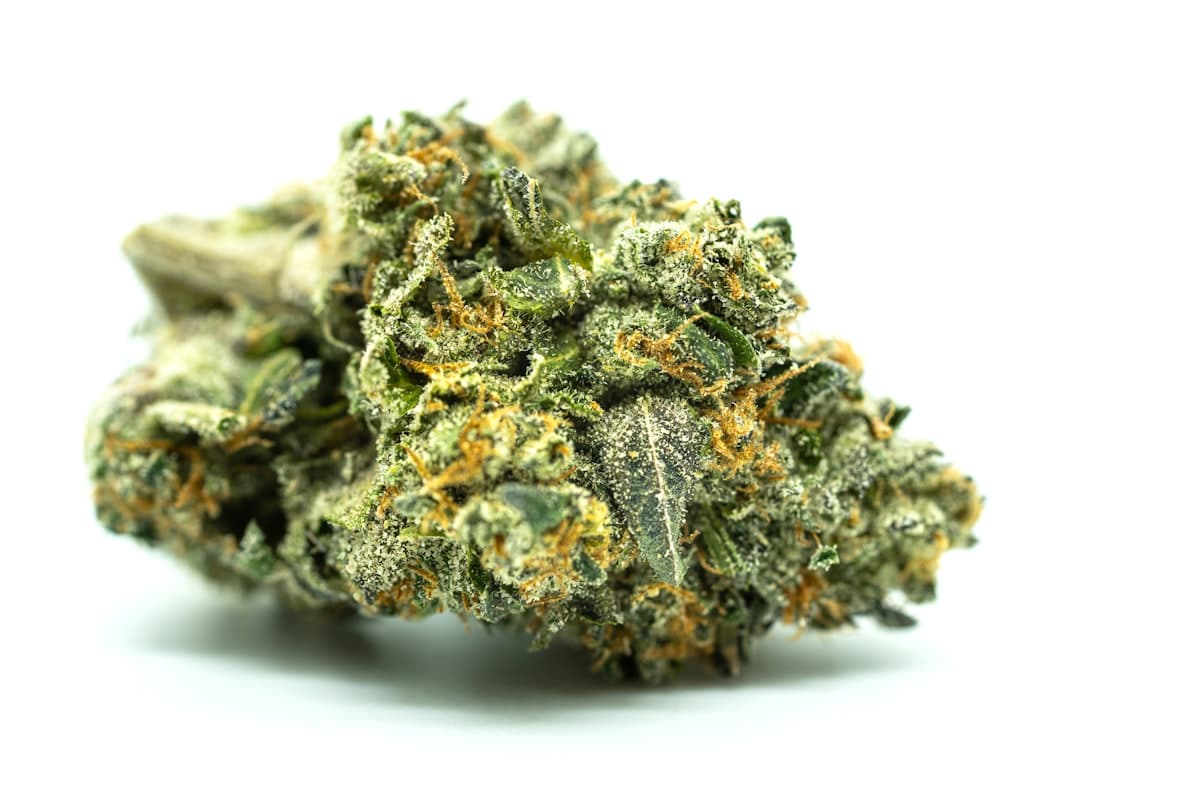
"Whole plant" means everything above the root ball minus fan leaves and main stems. Sugar leaves, larf, small buds — they all go in. Some extractors run nug-only for higher cannabinoid concentrations per gram of input, and that's a valid approach. But you lose part of the terpene spectrum. The sugar leaves and smaller flowers carry terpenes that the top colas don't always express in the same ratio. Nick prefers the fuller profile, even if it means slightly lower THC test numbers on the output.
The part nobody talks about: handling. Fresh-frozen material is fragile. Trichome heads are frozen solid and snap off easily if the material gets tossed around during harvest or transport. A grower who handles their fresh-frozen like it's a bag of mulch is a grower we won't source from, regardless of how good the flower looks. Speed from harvest to freezer matters, but gentle handling matters just as much.
The Extraction: From Frozen Plant to Raw Oil
We use a closed-loop hydrocarbon system. Butane-propane blend, run cold.
Nick runs a propane-heavy blend for most strains. "Propane is more selective for terpenes," he says. "Butane pulls more, but propane pulls better." A higher propane ratio means lower yields but a more terpene-rich initial extract. For a resin sauce cart where flavor is the entire point, that tradeoff makes sense.
Temperature during extraction matters enormously. We run cold — the solvent is chilled well below 0°F before it touches the material. Warmer extraction pulls more cannabinoids and lipids, but it also degrades the lighter terpenes you worked so hard to preserve by flash-freezing. There's a sweet spot where you're pulling enough material without cooking off the good stuff. Nick has strong opinions about exactly where that line is, and he won't share the specific numbers. "That's the recipe," he says. Fair enough.
After the solvent strips the cannabinoids and terpenes from the plant material, it goes through recovery — the solvent is reclaimed in a closed loop so nothing vents to atmosphere. Then purging: the remaining residual solvents get removed through vacuum processing. California's limit for residual solvents is 5,000 ppm. Our batches typically land well below 500 ppm. You can verify this on any of our COAs — the residual solvent panel is right there.
One decision point that separates extractors: inline dewaxing. Running the extract through a sub-zero dewaxing column removes lipids and waxes that can make the final product harsher and cloudier. The tradeoff is you lose some terpenes in the process. Nick dewaxes, but gently. "I'd rather have a slightly less 'pretty' extract that tastes like the actual plant than a crystal-clear product that lost half its nose in the filter."
Diamond Separation: The Sauce Part
This is where resin sauce diverges from standard live resin.
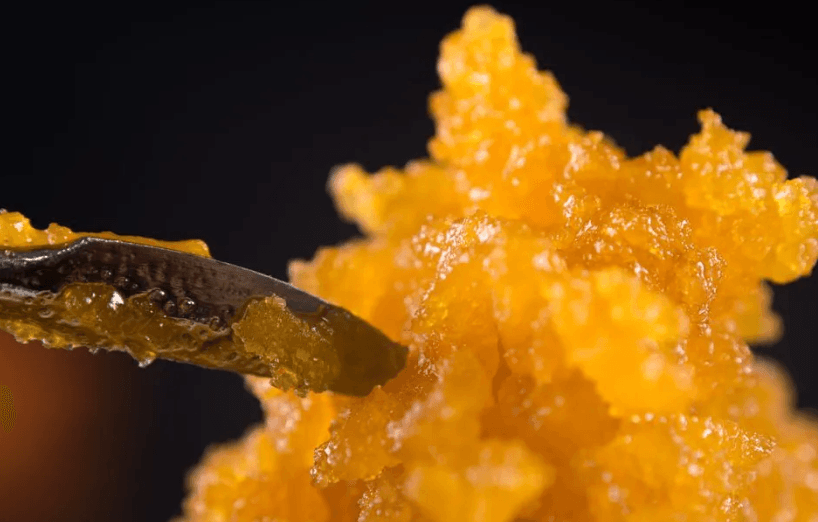
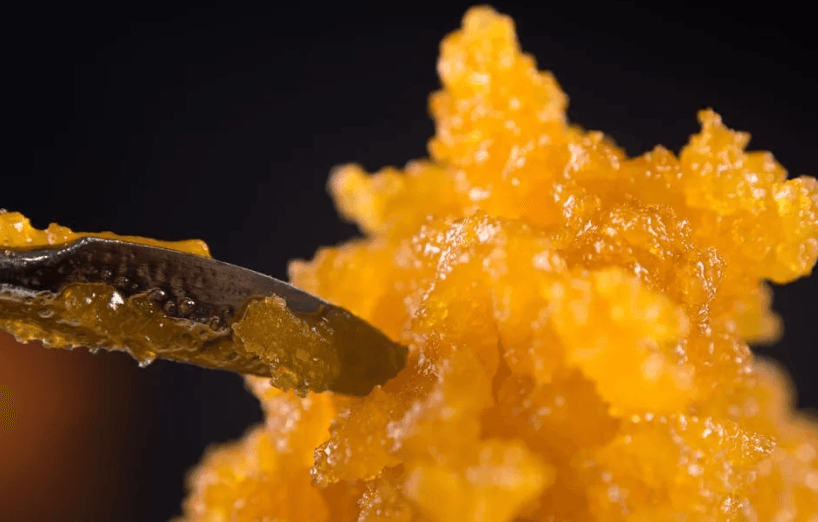
After extraction, the raw concentrate goes into sealed vessels and sits. What happens over the next one to three weeks is a natural separation process: THCA molecules slowly crystallize out of solution, forming what the industry calls "diamonds," while the terpene-rich liquid — the "sauce" — pools around them.
If you've seen photos on r/CannabisExtracts of those chunky crystals swimming in golden-amber liquid, that's what this looks like. The diamonds are nearly pure THCA. The sauce is where the flavor lives — a concentrated terpene fraction that carries the strain's actual character.
The patience matters. Rush the crystallization with too much heat and you get smaller, less defined crystals with more terpenes trapped inside them instead of in the sauce fraction. Let it go too long and you risk degradation. Nick monitors each batch and pulls them at different times depending on the strain. "GMO takes longer than Trainwreck. Every strain has its own pace." There's no single timer.
Crystal size gets a lot of attention online but Nick thinks it's mostly cosmetic. "Big diamonds look cool on Instagram. Smaller crystals with a rich sauce actually perform better in a cartridge because they break down more evenly when you're mixing for fill. If you're dabbing, sure, show me the boulders. For carts, I want consistency."
What Goes In the Cart
Here's where the two fractions get reunited, and this is the part that determines what you actually taste.
Nick blends the diamonds and sauce back together at ratios that vary by strain. A strain with an exceptionally loud terpene profile might get a higher diamond-to-sauce ratio to keep it balanced. A strain with a more subtle nose gets more sauce to bring the flavor forward. "You can't just use the same ratio for everything and call it artisan. Each strain tells you what it needs if you're paying attention."
When we say "cannabis oil and cannabis-derived terpenes only," here's what that means in practice: the oil is the recombined diamond-and-sauce extract from the same fresh-frozen run. The terpenes are from the same extraction, concentrated in the sauce fraction during diamond separation. We're not buying terpene isolates from a supplier and adding them back. We're not using botanical terpenes derived from lemons or lavender. No PG. No VG. No MCT oil. No vitamin E acetate. No cutting agents of any kind. The ingredients list is short because there's nothing else in there.
Hardware: ceramic coils, not cotton wicks. Ceramic heats more evenly, doesn't char at the same rate, and delivers cleaner flavor at lower temperatures. Cotton wicks work, but they can introduce a slightly burnt taste when the oil gets low or the voltage is too high. For a product where we're trying to preserve every terpene nuance, the heating element matters.
Viscosity is the unglamorous problem that every cart manufacturer deals with. The oil needs to be fluid enough to wick properly (no dry hits, no clogs) but thick enough that it doesn't leak. This is where formulation gets practical — the diamond-to-sauce ratio, the specific terpene content, and the hardware tolerances all interact. Get it wrong and you either get a cart that clogs halfway through or one that leaks in your pocket. Nick has ruined a lot of pants dialing this in.
One detail people rarely ask about: when does the lab sample get pulled? Ours get pulled after the final formulation, post-fill. The COA you scan on your box reflects what's actually in the cartridge, not what was in the bulk oil before it went through hardware. That distinction matters more than people realize.
What I'd Do Differently
I asked Nick what he'd change if budget and time were unlimited.
"I'd run more single-source small batches. Right now, economics push you toward efficiency — larger runs, consistent output. If money didn't matter, I'd do 50-unit runs from single farms, single harvests. Each batch would be its own thing. Like single-origin coffee, but for carts."
He also admitted that certain strains just don't translate well to cart format. "Some strains have incredible nose on the flower but the terpene profile shifts through extraction and heating. You lose what made it special. I've tried to make certain cultivars work in a cart six, seven times and eventually you have to accept that it's a better flower strain than a cart strain."
Hardware is the other frontier. "Ceramic coils are the best option right now, but they're not perfect. The heating curve still degrades certain sesquiterpenes more than I'd like. I'm watching what's happening with quartz and borosilicate elements. If someone cracks consistent low-temp vaporization without sacrificing cloud production, that changes everything."
If you're the type who reads this and thinks "rosin carts would be even better" — maybe. Solventless extraction preserves a different fraction of the plant, and some people prefer it. We make a solventless line too. But for the combination of terpene intensity and consistency in a cartridge format, Nick still thinks resin sauce is the sweet spot. You're welcome to disagree.
Ask Nick
If you made it this far, you probably have questions we didn't cover. Nick actually responds to DMs about extraction — he's one of those people who'd rather talk about crystallization parameters than sales numbers.
Want to verify anything we claimed? Every Halara Resin Sauce cart has a QR code on the box that links to the batch-specific COA. Scan it. Check the terpene panel, the residual solvents, the potency. It's all there because it should be.
For deeper dives on the topics we touched here:
- Resin Sauce vs. Live Resin vs. Rosin — the full comparison
- What Terpenes Actually Do — why the "Big Six" matter
- How to Read a COA — so you know what you're looking at
- Live Resin vs. Cured Resin vs. Distillate — what's actually in your cart
Want more cannabis intel?
Join The Dealers Diary — weekly strain spotlights, industry news, and insider access.
Subscribe Free