Live Resin vs. Cured Resin vs. Distillate: What's Actually in Your Cart
The Label Doesn't Tell You Shit
Here's something that'll piss you off if you've been paying premium prices for "live resin" carts: the term has almost no regulatory teeth.
A brand can run cured trim through a hydrocarbon extractor, re-add some cannabis-derived terpenes from a completely different strain, stick "live resin" on the label, and sell it at a 40% markup. Is that technically live resin? Depends on who you ask. Is it what you thought you were buying? Almost certainly not.
This isn't about being a snob. Smoke what you enjoy. But if you're paying $45-65 for a cart labeled "live resin" and you're actually getting reintroduced terpenes on a distillate or cured base, you deserve to know that. So here's how to tell the difference, and honestly, when it matters and when it doesn't.
Distillate: The Baseline
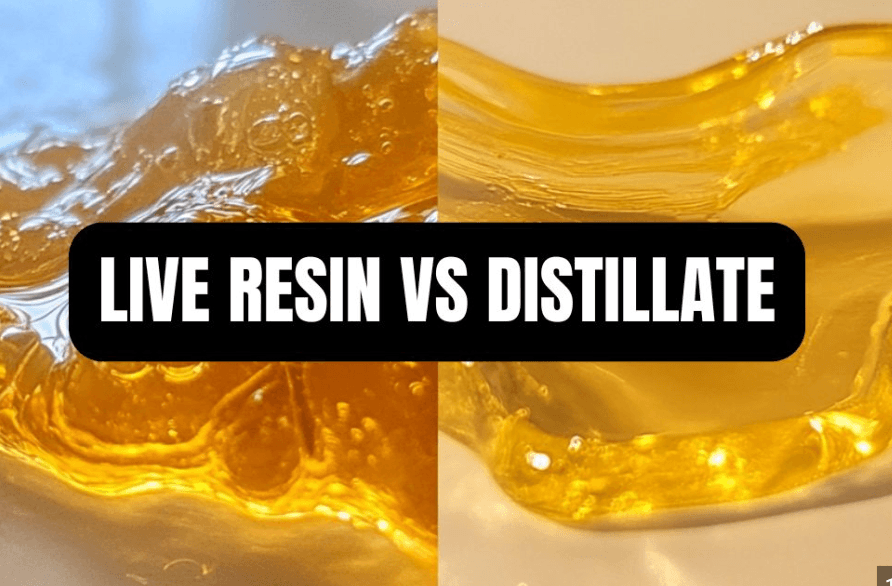
Distillate is the most common oil in vape cartridges nationwide. Understanding what it is helps you understand everything else.
The process: cannabis flower (usually cured, often trim) gets extracted, then refined through distillation. This is essentially boiling off and recondensing specific compounds by temperature. What you end up with is nearly pure THC — clear, odorless, flavorless. Potency numbers in the high 80s or 90s percentage-wise.
The problem is also the pitch. Distillation strips out almost everything that isn't THC. Terpenes, minor cannabinoids, flavonoids — the stuff that makes different strains feel different — gets removed. To make it taste like something, manufacturers add terpenes back. Sometimes cannabis-derived terpenes (CDTs), sometimes botanical terpenes (BDTs) sourced from fruits, herbs, and flowers. Both "work" for flavor. But botanical terpenes are cheaper and the profiles tend to be simpler.
Think of it this way: distillate is the hot dog of cannabis oil. Processed, consistent, totally fine if that's what you're in the mood for. Just know what it is.
When distillate makes sense: You want high THC, you want to spend $25-35, and you don't particularly care about strain-specific effects. Totally valid. Not every session needs to be a connoisseur moment. If that's the lane you're in, we went through the California distillate carts specifically, including how to tell whether the terpenes came from cannabis or from a citrus peel.
Cured Resin: The Middle Child Nobody Talks About
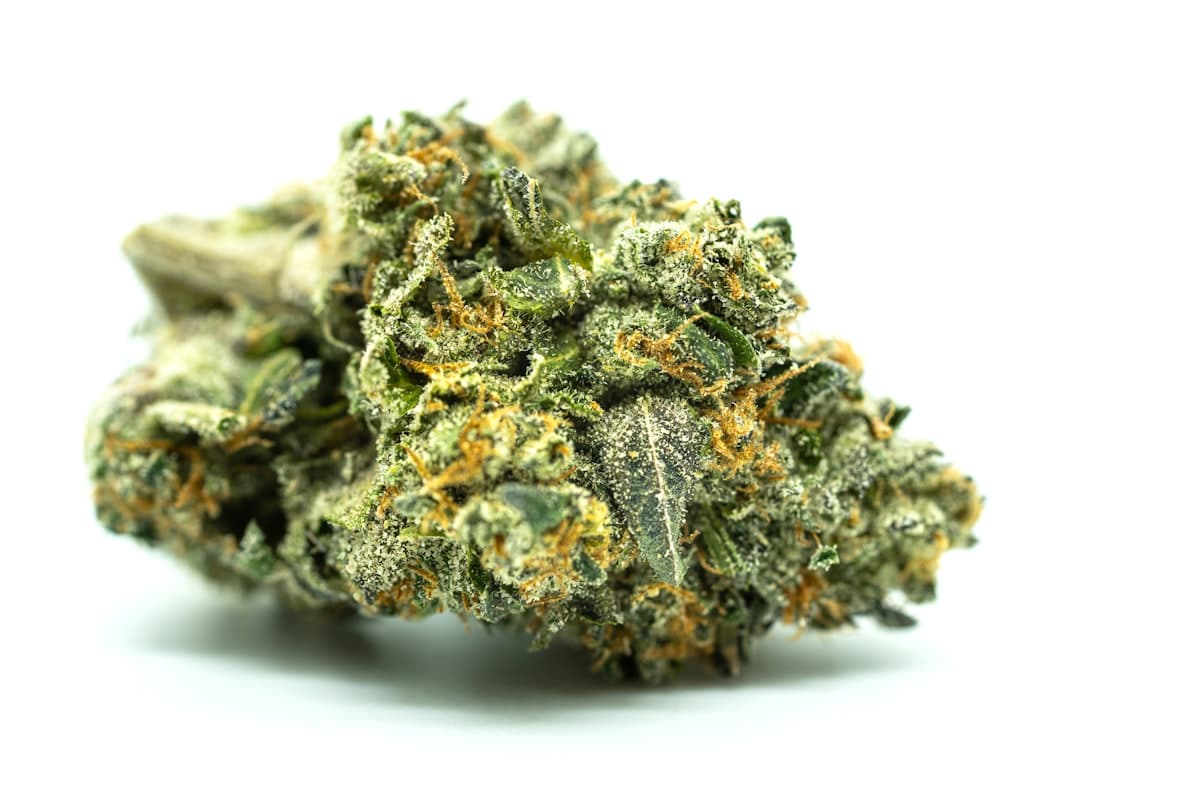
Cured resin is extracted from dried, cured cannabis flower — the same stuff you'd buy in a jar at the dispensary. No fresh-freezing, no special handling. Standard harvest, dry, cure, extract.
What changes during curing: the plant loses moisture (good for smoking, neutral for extraction) and a significant portion of its volatile monoterpenes. Myrcene, limonene, pinene — the first terpenes to degrade are often the ones with the most recognizable aromas. What survives tends to be the heavier sesquiterpenes like beta-caryophyllene. The flavor profile shifts. It's not ruined, it's different. Often earthier, muskier, less bright.
Cured resin is cheaper to produce than live resin for a simple reason: cured flower is cheaper than fresh-frozen. There's no race against the clock at harvest. No -40°F freezers. No specialized cold-chain logistics. The economics are straightforward, and that's fine.
Here's the honest take that nobody in the live resin marketing department wants you to hear: cured resin made from excellent flower can absolutely beat live resin made from mediocre flower. Input quality matters more than extraction method. A cured resin cart from a boutique grower running single-source, hand-trimmed top-shelf flower is going to taste better than a live resin cart made from bulk-harvested, machine-trimmed, poorly handled fresh-frozen material. Every time.
The problem isn't cured resin itself. The problem is when cured resin gets relabeled, upcharged, or hidden behind vague marketing language to look like something it's not.
How to spot it: If the price is in the $30-40 range and the brand doesn't specifically say "fresh-frozen" or "live" on the packaging, it's probably cured resin. That's not automatically bad. Just know what you're paying for.
Live Resin: What "Live" Actually Means
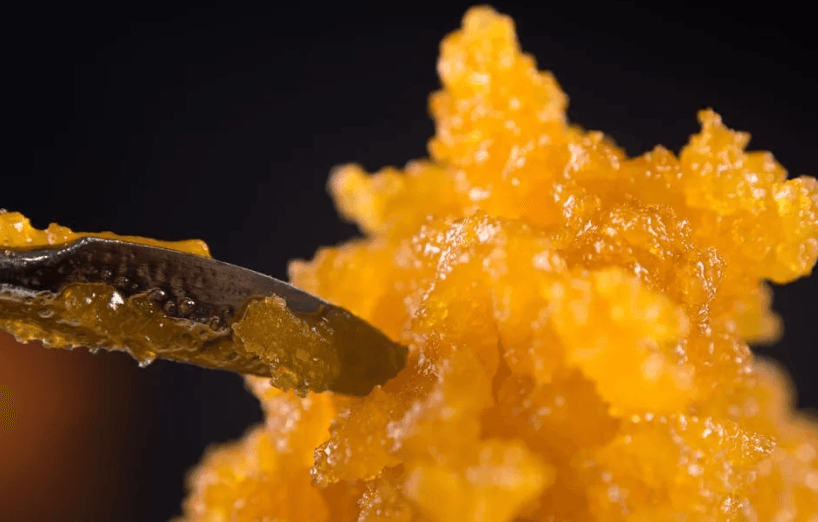
"Live" means one thing: the starting material was fresh-frozen cannabis. That's it. That's the whole definition.
The plant was harvested and flash-frozen (typically to -40°F / -40°C or colder) within hours, preserving the terpene profile that would otherwise degrade during drying. The extraction happens on frozen material, capturing a more complete snapshot of the plant's original chemical expression.
The terpenes that survive in live resin but disappear in cured: the lighter monoterpenes. If you've ever smelled fresh cannabis on the plant versus dried cannabis in a jar — that brightness, that loudness, that "alive" quality — those are the volatiles that fresh-freezing preserves. In a well-made live resin cart, you can actually taste the difference. The profile is louder, more complex, more strain-specific.
But here's the part the industry doesn't love talking about: "live resin" on a label doesn't guarantee quality.
Trim runs are live resin if the trim was fresh-frozen. A sloppy extraction with poor temperature control is still live resin if the input was fresh-frozen. A bulk operation that handles their frozen material roughly, breaking trichome heads and degrading the very terpenes they were trying to preserve, can still call it live resin.
The spectrum is enormous. On one end: fresh-frozen whole-plant, single-source, extracted cold within weeks of harvest, with the full terpene fraction preserved and recombined. On the other end: fresh-frozen trim from multiple farms, extracted at whatever temperature moves the fastest, terpene profile supplemented with CDTs from a different strain or a terpene supplier. Both get the "live resin" label. They're not the same product.
What to look for: Does the brand specify whole-plant or nug-run vs. trim? Do they publish full terpene panels on their COAs (not just THC/CBD)? Do the terpene percentages actually make sense for the strain listed? If you're buying a "Durban Poison" live resin cart with zero terpinolene on the COA, something's off.
How to Read Through the BS
| Distillate | Cured Resin | Live Resin | Resin Sauce | |
|---|---|---|---|---|
| Input | Cured flower/trim | Cured flower | Fresh-frozen | Fresh-frozen whole plant |
| Extraction | Distillation | Hydrocarbon | Hydrocarbon | Hydrocarbon + diamond separation |
| Terpenes | Added back (BDT or CDT) | Naturally present (reduced) | Naturally present (preserved) | Concentrated in sauce fraction |
| Flavor | Depends on added terps | Earthy, muted | Bright, strain-specific | Loud, intense |
| Typical THC | 85-95% | 65-80% | 65-85% | 70-90% |
| Price range | $25-40 | $30-45 | $40-60 | $45-65 |
| Red flag | "Natural terpenes" = probably BDT | Being sold as "live" | Trim run at premium price | Low terpene % on COA |
The packaging checklist
Ingredients list: You want to see "cannabis oil, cannabis-derived terpenes." If it just says "natural terpenes" or "terpenes," those could be botanical — derived from lemons, lavender, whatever. Botanicals aren't dangerous, but they're not from cannabis and they're significantly cheaper.
COA availability: If there's no batch-specific COA available (scannable QR code, website lookup, something), that's a red flag regardless of what's on the label. Brands that invest in quality want you to see the lab results. Brands that don't, don't.
Terpene panel: A real live resin product should have a terpene panel that makes sense for the strain. If it's labeled "GDP" and the dominant terpene is limonene instead of myrcene, either the strain identification is wrong or the terpenes were swapped. Check our terpene guide if you want to know what to look for by strain.
Price: You generally get what you pay for. A "live resin" cart at $25 is almost certainly not whole-plant, single-source live resin. It might still be decent — just recalibrate your expectations.
What We Chose and Why
I'll keep this short because we wrote an entire article about our process.
Halara chose resin sauce — live resin with an additional diamond separation step — because we think the recombined diamond-and-sauce format delivers the most intense strain-specific flavor in a cartridge. Fresh-frozen whole plant, cannabis oil and CDTs only, ceramic hardware, batch COAs on every box.
That said: if cured resin from a quality source at a lower price point works for you, buy that. If you prefer solventless rosin carts, that's arguably a more purist approach than what we do. The point of this article isn't "buy our product." It's "know what you're buying, wherever you buy it." If you want names, here's our take on the best live resin carts actually worth trying.
The legal market gets better when consumers ask better questions. Ask what the input material is. Ask where the terpenes come from. Scan the QR code. Read the COA. The brands doing it right want you to look.
Frequently Asked Questions
What's the difference between live resin and cured resin?
Both are hydrocarbon extracts; the difference is the starting material. Live resin is made from fresh-frozen flower flash-frozen within hours of harvest, which preserves the light monoterpenes that give it a bright, loud, strain-specific flavor. Cured resin is made from dried, cured flower, so those volatile terpenes have already degraded and the profile comes out earthier and more muted.
What is cured resin?
Cured resin is concentrate extracted from dried, cured cannabis flower — the same material you'd buy in a jar at the dispensary. No fresh-freezing, no cold-chain handling, just a standard harvest, dry, cure, and extract. It loses a significant chunk of its volatile monoterpenes during curing, so it tends to taste earthier and muskier than live resin, and it's cheaper to make because cured flower is cheaper than fresh-frozen.
What's the difference between live resin and distillate?
Live resin keeps the plant's natural terpenes by extracting fresh-frozen flower, so the flavor is the strain's own. Distillate is refined down to nearly pure THC — clear, odorless, flavorless — then has terpenes added back in, either cannabis-derived or cheaper botanical ones. Distillate runs higher on raw potency (85-95% THC vs. roughly 65-85% for live resin) but the flavor is whatever was reintroduced, not the plant's native profile.
Is live resin stronger than distillate?
No, distillate is usually higher in raw THC — typically 85-95% versus roughly 65-85% for live resin. But live resin retains the plant's natural terpenes and minor cannabinoids, which shape the effect and flavor in ways a pure-THC number doesn't capture. Higher potency on the COA isn't the same as a better or stronger-feeling session.
How can I tell if a cart is really live resin?
Check the input and the COA. Real live resin packaging will say fresh-frozen or live, list cannabis-derived terpenes rather than vague natural terpenes, and link to a batch-specific COA. Make sure the terpene panel makes sense for the strain — a Durban Poison cart with zero terpinolene means the strain ID is wrong or the terps were swapped. A live resin cart priced at $25 is almost certainly not whole-plant, single-source live resin.
Want more cannabis intel?
Join The Dealers Diary — weekly strain spotlights, industry news, and insider access.
Subscribe Free