Why Most 'Rosin' Vapes Aren't What You Think
The Cart Problem
Rosin is beautiful on a dab rig. Press some quality hash, get a golden slab, heat a banger, inhale. Simple.
Putting that same rosin into a vape cartridge? That's where everything gets complicated, and where most companies start making compromises they'd rather not talk about.
Nick has a line he repeats: "Making great rosin is hard. Making a great rosin cart is three times harder." I've watched him trash entire batches that would've been fine as dabs but didn't meet his standard for cart formulation. The gap between dabbable rosin and a cartridge that actually works is wider than most consumers realize.
Why Rosin Doesn't Want to Be in a Cart
The core issue is viscosity. Rosin is thick. Really thick. And vape cartridges need oil that flows, oil that can wick into the heating element consistently without clogging, leaking, or producing dry hits.
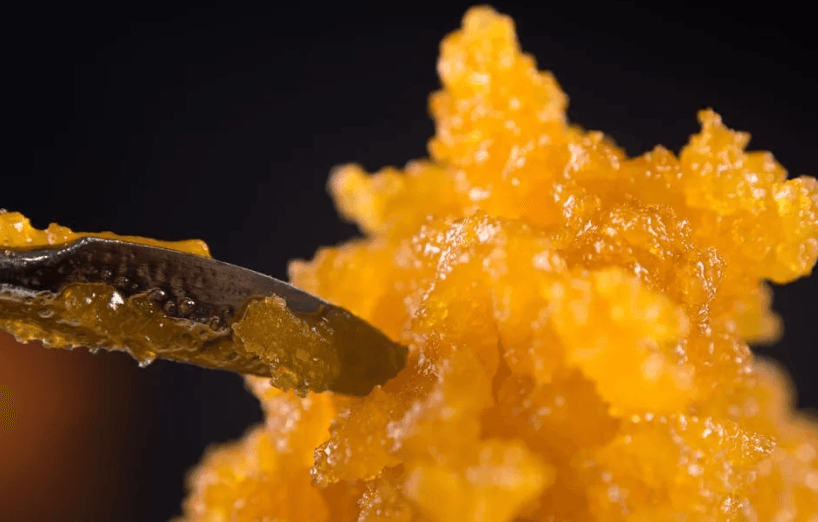
Distillate flows naturally because it's been refined down to a thin, uniform liquid. Live resin has enough terpene content to stay fluid. Rosin sits somewhere between peanut butter and cold honey, depending on the strain and how it was pressed.
You can't just load rosin into a cartridge and expect it to work. Something has to change. The question is what, and that's where the industry splits into two camps.
The Shortcut Way vs. the Right Way
The shortcuts (more common than you'd think):
- Cutting with distillate. Mix rosin with refined distillate to thin it out. Technically the cart now "contains rosin." Whether it's a "rosin cart" is debatable. It's like putting a splash of fresh-squeezed orange juice into Sunny D and calling it fresh-squeezed.
- Adding botanical terpenes. Terpenes derived from non-cannabis plants (lavender, lemons, mangoes) act as a natural thinner. The cart flows better, but now you're inhaling something that has nothing to do with the original plant. For a product category built on purity, this feels like missing the point.
- Using food-grade rosin derivatives. This is the one that drives Nick crazy. Pine-derived rosin compounds used as processing aids or thinners. They're technically "rosin," just not cannabis rosin. The labeling gets deliberately murky.
- Trim-run input. Starting with hash made from trim and sugar leaf instead of whole flower. Lower input quality means lower output quality, but the yields are better and the cost drops significantly.
The right way (harder, more expensive, lower margin):
- Start with high-quality hash rosin from whole-plant, fresh-frozen material
- Use the rosin's own terpene fraction to manage viscosity
- Apply gentle heat and mechanical agitation to achieve flow without degrading cannabinoids
- Match the formulation to hardware that can handle thicker oil
- Accept lower yields and higher costs
Nick runs the second approach. "If I wanted to cut corners, I'd just make more resin sauce carts. The whole point of offering a solventless line is that it's actually solventless, start to finish."
What "Solventless" Should Mean on a Cart
This is where label literacy matters.
"Solventless" should mean no solvent was used at any stage, not in extraction, not in post-processing, not as a thinning agent. The entire chain from plant to cartridge should be solvent-free.
In practice, the term isn't as regulated as you'd hope. A cart could contain rosin that was thinned with distillate (a hydrocarbon-extracted product) and still technically not have "solvents" in the final product, because the solvents were purged from the distillate before it was blended in.
Is that misleading? Part of me thinks so. The other part recognizes that this is cannabis, where almost every term gets stretched past its useful meaning within about six months of becoming popular.
How to Spot the Real Thing
You don't need to take anyone's word for it. Here's what to check:
On the package:
- "Hash rosin" or "live rosin" (not just "rosin")
- "Solventless" with specifics about the process
- No mention of botanical terpenes or added thinners
On the COA:
- Residual solvents panel showing non-detect across the board
- Terpene profile that looks natural (varied, not dominated by one or two terpenes at suspiciously high percentages)
- Cannabinoid profile consistent with a full-spectrum extract, not a distillate spike
On the price:
- If a "rosin cart" costs the same as a live resin cart, ask questions. Real hash rosin carts cost more because they cost more to make. That's the math.
We wrote a guide on reading COAs if you want to go deeper on what those lab reports actually tell you.
The Hardware Matters Too
One thing consumers rarely think about: the cartridge itself makes a difference with solventless oil.
Standard cotton-wick cartridges struggle with rosin's viscosity. The oil doesn't absorb into cotton consistently, which leads to dry hits, burnt taste, and wasted product. Ceramic coil hardware handles thicker oil better because it draws oil through capillary action rather than absorption.
Nick uses ceramic exclusively for the solventless line. "Cotton wicks are fine for distillate. They're passable for live resin. For rosin, they're a dealbreaker. You'll get two good hits and then it tastes like burnt toast."
Inlet size matters too. Larger oil intake ports allow thicker concentrates to flow more consistently to the heating element. It's an unsexy detail that determines whether you enjoy the cart or throw it in a drawer after day three.
The Honest Take
Not every consumer needs a rosin cart. If you're happy with live resin or resin sauce carts, and you're buying from a brand that publishes COAs and uses quality input material, you're doing fine. Nick will tell you the same thing.
Rosin carts are for people who specifically want solventless, who care about that distinction enough to pay the premium, and who want to know that the "solventless" claim on the label actually means something.
If that's you, now you know what to look for. And what to look out for.
For a walkthrough of how we actually make our rosin carts from start to finish, that's the next piece. For the full comparison of rosin against other concentrate types, start here.
Want more cannabis intel?
Join The Dealers Diary — weekly strain spotlights, industry news, and insider access.
Subscribe Free